Table of Contents
- Student Data Loss and How to Recover Important Files
- What Are The Most Common Causes Of Student Data Loss?
- What Types Of Student Data Loss Can Occur?
- Can Deleted Assignments And Dissertations Be Recovered Safely?
- What Are The Early Warning Signs Of Student Data Loss?
- What Should You Do Immediately After Losing Academic Files?
- Why Can DIY Data Recovery Tools Make Things Worse?
- When Student Data Recovery Is Not Possible
- What Devices And Operating Systems Can Be Recovered For Students
- How Can Students Prevent Future Data Loss During Their Studies?
- How Can Students Start The Data Recovery Process Quickly And Securely?
- Student Data Recovery FAQs
- Frequently Asked Questions
Student Data Loss and How to Recover Important Files
Student data loss occurs when assignments, dissertations, or exam files become inaccessible due to deletion, corruption, or device failure. In most cases, student data recovery is possible if the affected device is not used further and the recovery process is handled correctly. Academic files are rarely erased instantly, even when they appear permanently deleted.
At Disk Doctors, we regularly help students recover deleted assignments, recover dissertation files, and process urgent exam file recovery after unexpected academic file loss. Whether the issue involves a failing laptop, a corrupted USB stick, or an external hard drive that is no longer detected, acting quickly is critical. Continuing to use the device, installing recovery tools, or saving new files can overwrite recoverable data and significantly reduce success rates.
Academic file loss often occurs close to deadlines, which leads many students to panic and attempt DIY fixes. Unfortunately, these actions frequently make recovery harder or impossible. Understanding why files are lost and how professional student data recovery works can make the difference between meeting a submission deadline and losing months of work.

What Are The Most Common Causes Of Student Data Loss?
Student data loss usually results from everyday academic scenarios rather than rare technical faults. Coursework is often stored across multiple devices and storage locations, which increases the risk of files being deleted, corrupted, or made inaccessible during routine use. Understanding the most common causes helps students recognise risks early and respond correctly when files go missing.
Accidental Deletion Of Assignments And Folders
Accidental deletion is one of the most common causes of data loss among students, particularly when folders containing accidentally deleted assignments are removed and emptied from the recycle bin. This often happens during file organisation, device clean-ups, or when freeing up storage space close to deadlines.
In these situations, recovery of lost university work is often required after files are overwritten, saved incorrectly, or removed without realising they are still needed.
Laptop And Internal Storage Failure
Hardware failure is another leading cause. Laptop hard drives and solid-state storage can fail without warning under sustained academic workloads. Laptop data recovery for students is frequently required after repeated freezing, system crashes, or sudden shutdowns during intensive study sessions.
These failures can occur gradually or suddenly and may prevent access to assignments, dissertations, and exam files stored locally on the device.

USB Flash Drive Corruption And Removal Errors
USB data recovery for students is common when flash drives become corrupted or stop appearing in the file explorer. This often results from unsafe removal, repeated use across different computers, or file transfers interrupted mid-process.
Although USB drives are convenient, they are particularly vulnerable to file system damage and physical wear, making them a frequent source of student data loss.
External Hard Drive Issues And Software Conflicts
External hard drives may fail after unsafe removal, power loss, or software updates that damage file systems. Students often rely on external storage for backups, making these failures especially disruptive when coursework cannot be accessed.
Virus attacks and unstable free data recovery software can also trigger complex loss scenarios, corrupting multiple file types and increasing the risk of permanent data loss if incorrect recovery attempts are made.
What Types Of Student Data Loss Can Occur?
The data loss that students experience can occur for different technical reasons, and understanding the type of failure helps determine the safest recovery approach. Academic files may become inaccessible due to logical corruption, physical damage, or electronic faults affecting the storage device.
Logical loss occurs when file systems or folder structures become corrupted. This often follows improper shutdowns, unsafe USB removal, or system updates. Files may appear missing or permanently deleted even though they are still recoverable.
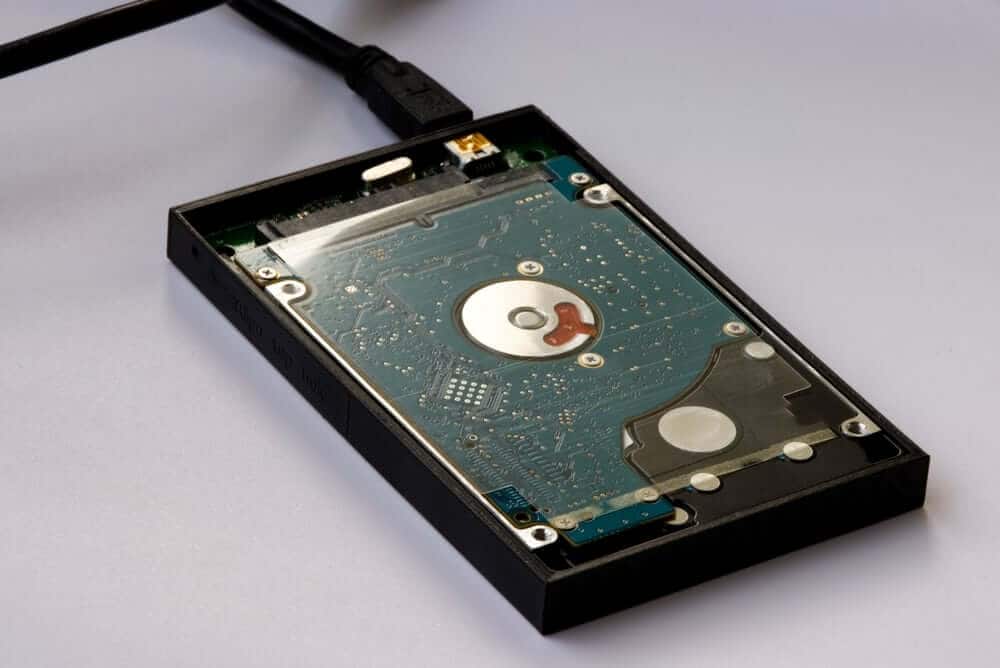
Physical damage results from hardware faults. Common student scenarios include laptop drops, liquid exposure, or worn internal drives. When this happens, hard drive data recovery for students must be handled professionally to avoid further damage.
Electronic failures affect the circuitry that allows devices to communicate. Power surges or faulty USB ports can cause sudden data loss even when files were previously accessible.
Can Deleted Assignments And Dissertations Be Recovered Safely?
We regularly help students recover deleted assignments or recover dissertation files, even when they appear permanently deleted. When a file is removed, the system usually deletes the reference rather than the data itself, meaning recovery is often possible until overwritten.
Exam file recovery is also possible when corruption affects individual documents rather than the entire system. We regularly recover coursework files from USB drives, memory cards, and external storage where no physical damage has occurred.
If a laptop will not boot, makes unusual noises, or is no longer detected, professional hard drive data recovery is often the safest route.

What Are The Early Warning Signs Of Student Data Loss?
Data loss rarely happens without warning. In many cases, early signs of this can appear before complete failure occurs, and recognising them early improves student data recovery success.
Warning signs include files taking longer to open, documents failing to save, or folders appearing empty. USB devices may disconnect unexpectedly or trigger repeated error messages.
Laptop-based issues often include freezing during saves or sudden restarts. External drives that request formatting or fail to appear are also strong indicators that you may need recovery of lost university work to resolve the issue.
What Should You Do Immediately After Losing Academic Files?
The most important step after student data loss is to stop using the affected device immediately. Continued use increases the likelihood of overwriting data needed to recover deleted assignments or dissertations.
Power down laptops as soon as possible. Safely remove USB drives and avoid reconnecting them repeatedly. Avoid installing recovery software unless advised by a specialist, as this can overwrite recoverable data.
At this stage, professional assessment through a specialist data recovery service is often the safest option.

Why Can DIY Data Recovery Tools Make Things Worse?
Many students search for free data recovery software after accidentally deleting assignments, but these tools carry significant risks. Installing recovery software on the same device can overwrite lost files instantly.
Incorrect use often converts recoverable files into raw data that cannot be restored. If the issue involves deletion, using a professional deleted file recovery approach is far safer.
When Student Data Recovery Is Not Possible
While student data recovery is often successful, there are situations where recovery may not be possible. Data that has been fully overwritten cannot usually be restored, even with specialist tools. Severe physical damage can also limit recovery options.
This is why early action is critical. The sooner students stop using the affected device, the greater the chance of recovering assignments and dissertations.
How Does Professional Data Recovery Help Students Meet Deadlines?
Professional student data recovery focuses on safety, accuracy, and speed. At Disk Doctors Data Recovery, we specialise in urgent academic cases where deadlines cannot be extended.
The recovery process begins with a diagnostic assessment, followed by sector-level imaging where possible. Files are reconstructed, verified, and restored to ensure they open correctly and retain formatting.
For device-specific issues, our laptop data recovery service helps students recover coursework from laptops affected by drops, liquid damage, or drive failure.
How Is Student Data Kept Confidential During Recovery?
Academic work often contains sensitive information, including original research and unpublished material. All student data recovery cases are handled with strict confidentiality. Files are accessed only for recovery purposes and returned solely to the student, protecting academic integrity throughout the process.
What Devices And Operating Systems Can Be Recovered For Students
- Internal laptop hard drives and solid-state drives
- Mac Laptop
- External hard drives
- USB flash drives
- Memory cards
- Other storage devices commonly used by students
Recovery methods are adapted depending on the device type and operating system involved.
How Can Students Prevent Future Data Loss During Their Studies?
Preventing academic file loss requires consistent habits. Avoid working on low battery power, always eject USB drives safely, and verify backups regularly.
Keeping at least two copies of coursework across separate devices significantly reduces reliance on emergency student data recovery services.
How Can Students Start The Data Recovery Process Quickly And Securely?
If you are experiencing data loss as a student, stop using the affected device immediately and submit a recovery case online. You can also walk into our data recovery london lab. A free shipping label is provided so devices can be sent securely and assessed without delay.
Start the process with Disk Doctors Data Recovery.
Student Data Recovery FAQs
Frequently Asked Questions
Can Accidentally Deleted Assignments Still Be Recovered
Yes, accidentally deleted assignments are often recoverable if the storage space has not been overwritten. When files are deleted, they usually remain on the device until replaced by new data. Students should stop using the device immediately and avoid installing recovery tools. Professional student data recovery offers the safest and most reliable route to restoration.
Is Exam File Recovery Possible After A Laptop Crashes
Exam file recovery is frequently possible after a laptop crash, particularly when the storage device remains physically intact. Crashes often damage file systems rather than the files themselves. Laptop data recovery for students focuses on rebuilding these structures safely. Continued use of the device can significantly reduce recovery success.
Can USB Data Recovery For Students Work On Corrupted Flash Drives
USB data recovery for students is often successful when corruption is caused by unsafe removal or file system errors. Flash drives may appear empty or unreadable while data still exists beneath the surface. Professional recovery tools can reconstruct file systems and recover coursework files. Formatting attempts can cause permanent loss.
When Should Students Avoid DIY Data Recovery Software
DIY recovery tools should be avoided when files are permanently deleted, devices behave unpredictably, or crashes repeat. Free data recovery software can overwrite lost data during installation or scanning. These tools are risky without technical expertise. Professional recovery ensures controlled, non-destructive extraction.
How Quickly Should Students Contact Disk Doctors
Students should contact Disk Doctors as soon as data loss occurs, especially when deadlines are approaching. Early intervention prevents overwriting and improves recovery success rates. Fast turnaround options and a no recovery, no fee service support urgent academic recovery needs.