Data Recovery Services
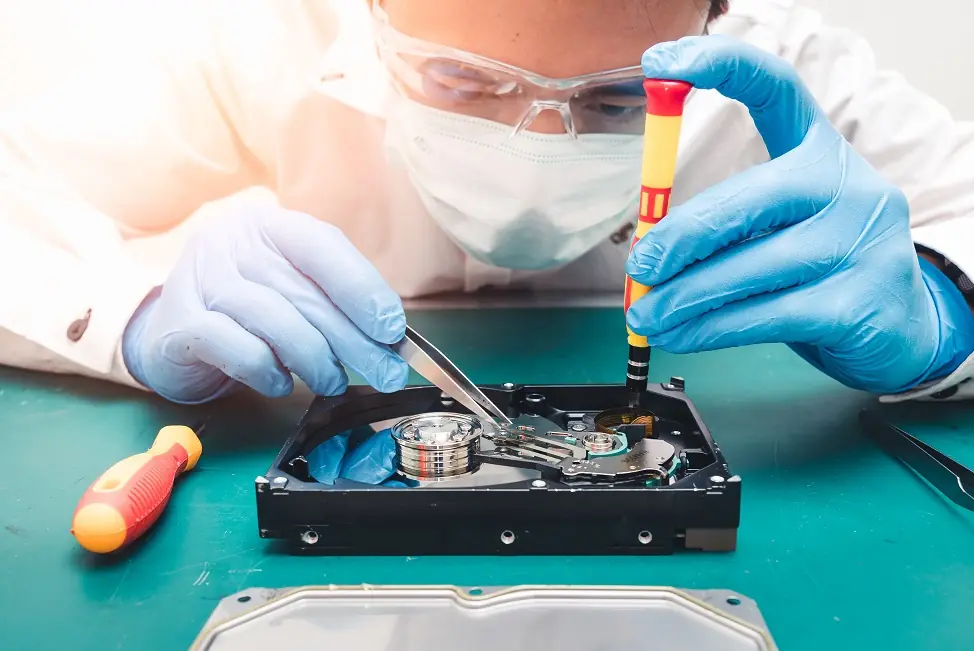
Lost your files? Stay calm, Disk Doctors Data Recovery is here to help. Whether you've accidentally deleted an important folder, your drive won't boot, or you've suffered full system failure, our expert data recovery services are designed to rescue your data quickly, securely, and with minimal fuss.
From Macs and PCs to SSDs, USB drives, and more, we've recovered data from almost every situation imaginable. Get in touch with the Disk Doctors today.
Start Your Data Recovery Case
How much will data recovery cost?Submit your details to get a free data recovery quote, Free Consultation or Free Shipping Label.
Drive failed, files deleted, or a device that won't boot? Every minute of use counts.
Whatever the device — hard drive, SSD, RAID, laptop, or USB — continued use after failure or deletion can permanently overwrite recoverable data. Power it down now and let our engineers run a free evaluation before you risk anything further.
Disk Doctors has been rescuing data from failed data storages since 1991... most reliable and well rounded data recovery company, equipped with over two decades of experience and knowledge base, ready to tackle complex drive and server disasters head on.
What DiskDoctors offers...
What makes us stand out compare to most recovery companies out there?
- Providing data recovery services since 1991
- Publisher of dozens of data recovery software
- Excellent customer reviews
- Highly confidential data recovery services
- Same day free media evaluation report
- Firm recovery quotes
- No hidden fees / No data, No charge
- Review recoverable file list before payment
- Class 100 clean rooms
- High success rate and Fast turnaround
Free Nationwide Collection & Return
To facilitate our clients, and to keep data recovery process at a fast pace, we offer...
- Fully tracked, insured courier service (FedEx/UPS)
- Free collection and return, to and from our labs
- World wide data recovery labs
- Mostly next business day delivery
- Package tracking is provided
We have seen everything that could go wrong with any type of data storage device and know the best remedies to fix complex problems to regain valuable data in record time.
To get your data back fast you are only 3 steps away to secure highly qualified recovery service and fast results without risking a dime. As we say, with Disk Doctors you only pay for successful results.
Simple 3 Step Easy Data Recovery Process
Submit / ship crashed data storage to Disk Doctors. Click here for free collection label
Get a detailed no obligation free evalution and firm recovery quote.
Get recovered data in as little as 24-48 hours.
Thousands of businesses and end users have been rescued from utter data disasters since 1991 by DiskDoctors! We can do the same for you! Here, we would like to share a small sample of customer reviews about Disk Doctors' data recovery services.
If drive crash is slowing you down... then definitely getting professional help is the best idea... and DISK DOCTORS is the logical choice to secure such help. Please feel free to get more details by visiting local office or calling us at 0203 0869 512.
Or, you can submit your case by simply filling out the short form at the top of this page to receive a free FedEx shipping label in your email shortly afterwards.
Pick up the phone, or submit your case; and let's get your data back!
Common Causes of Data Loss
Data loss doesn't always mean disaster. Sometimes it's human error. Sometimes it's hardware failure. Either way, it happens more often than you think.
Here are the most common reasons people need data recovery:
- Accidental deletion or formatting
- Physical damage to hard drives or SSDs
- Virus or ransomware attacks
- Corrupted file systems or operating system crashes
- Power surges and electronic failure
- Water, heat, or drop damage to devices
- Failed RAID arrays or server malfunctions
If your device suddenly becomes unresponsive, starts making strange noises, or files start disappearing, stop using it and contact us. The sooner we intervene, the better the outcome.
Devices and Storage Media We Recover From
At Disk Doctor Data Recovery, we work across a wide range of storage types and operating systems. If it stores data, chances are we can recover from it.
We regularly recover data from:
- Desktop and laptops hard drives (HDDs & SSD)
- External drives (USBs, FireWire, Thunderbolt)
- RAID arrays (RAID 0, 1, 5, 10 and more)
- Apple Mac devices (MacBook, iMac, Mac Mini)
- Windows PCs and servers
- NAS systems and enterprise storage
- Memory cards, USB flash drives and SD cards
- Smartphones and tablets (data extraction)
From Windows 11 to the latest macOS Ventura, we've got the tools and experience to bring your data back.
Our Data Recovery Process
Our data recovery process is secure, transparent, and designed to minimise downtime. Here's how it works:
Send us your device using the free postage label and our engineers will assess it for free. We'll let you know exactly what's recoverable before you commit.
We create a full, bit-by-bit clone of your storage media to preserve the original. Your data remains untouched while we work on the image copy.
Depending on the fault, we use cleanroom hardware repairs or forensic software tools to extract your data, even from damaged or encrypted media.
You'll receive a file list of everything we can recover. Once approved, we'll return your data on a secure USB drive or via encrypted cloud transfer.
Why Choose Disk Doctor Data Recovery?
We're called the Disk Doctors for a reason because we diagnose and treat faulty drives like pros. With over two decades of hands-on experience, our expert engineers have successfully recovered data from thousands of cases, from simple file deletions to total drive failure.
Here's what makes us the UK's go-to for data recovery services:
- Free diagnostics and fixed-price quotes
- No-recovery, no-fee guarantee
- Certified cleanroom for physical repairs
- 100% data confidentiality, GDPR-compliant
- Fast turnaround with emergency service options
- Friendly, knowledgeable support whenever you need us
We don't just recover data, we restore peace of mind.
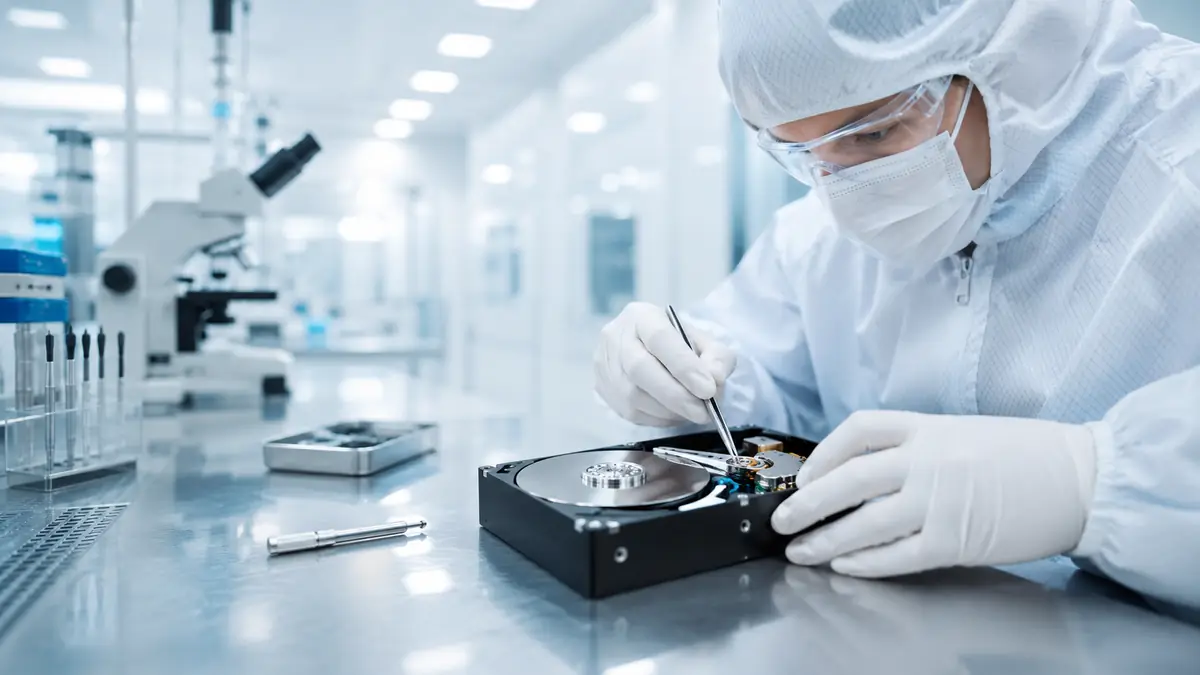
Data Recovery You Can Trust
At Disk Doctor Data Recovery, we treat your data like it's our own. Whether it's business-critical files, treasured family photos, or years of creative work, we know how valuable it is and how scary data loss can feel.
Our job is to make the recovery process as simple, stress-free, and successful as possible. With state-of-the-art tools, an expert team, and years of real-world experience, we're ready to help you get back what matters most.
Trusted by Customers Across the UK

FAQs About Data Recovery
Looking for more answers? Click here to see the full set of questions →