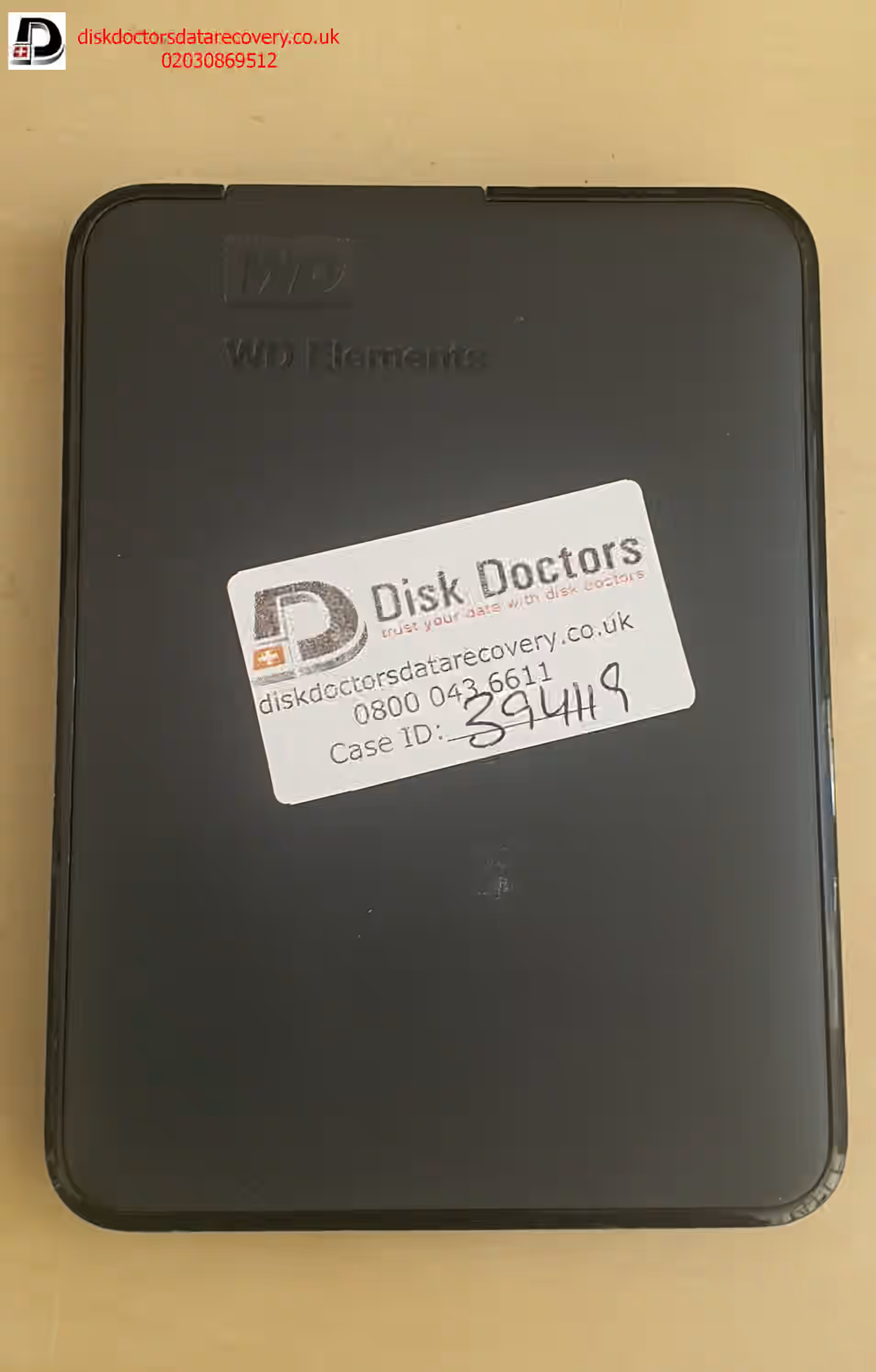
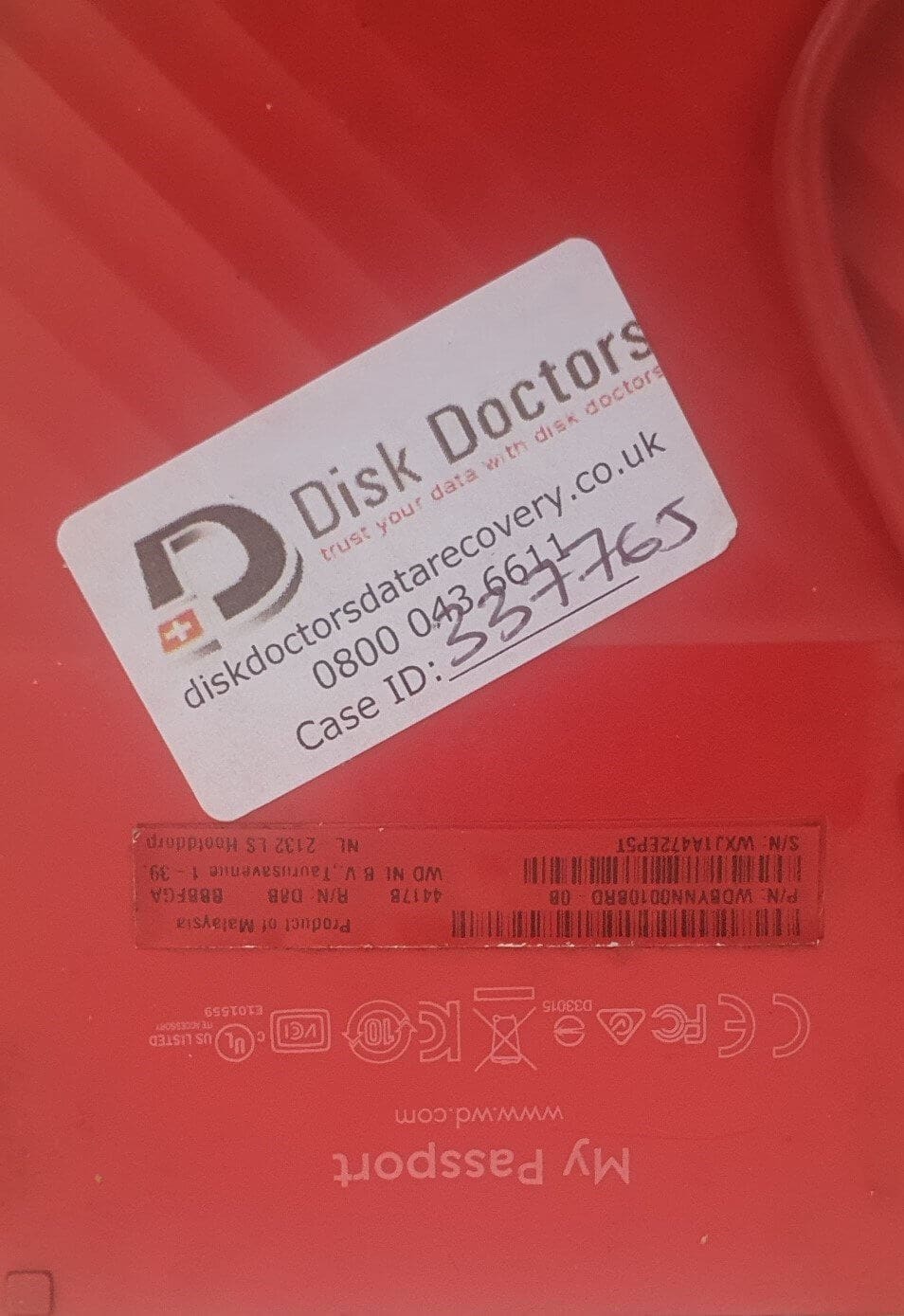
At Disk Doctors UK, we specialise in tackling complex data recovery scenarios where conventional tools and interfaces fall short. One such case involved a Western Digital My Passport 1TB data recovery (Model: WD10JMVW-11AJGS4), which is an external hard drive that arrived at our London data recovery lab exhibiting classic signs of internal failure: sluggish performance, intermittent recognition, and inaccessible user data. The client reported that the drive was recognised by their system but... more »
You deleted a file… emptied the recycle bin… and now it’s gone. Or is it? Most people assume that once a file is deleted, it disappears permanently. In reality, that’s not how storage systems work. To recover deleted files is still possible in many cases, and in more complex situations, professional data recovery services may be required to safely retrieve lost data. But there’s a catch: recovery isn’t guaranteed. And certain actions can make those files... more »
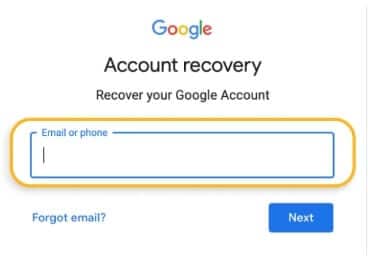
Gmail account recovery is Google’s built‑in process for helping users regain access to their accounts when they can’t sign in. It’s designed to verify your identity and restore access whether you’ve forgotten your password, lost your recovery phone, or your account has been compromised.Users typically need Gmail account recovery when they’re locked out unexpectedly — often due to password issues, security changes, or suspicious activity. Google uses a dynamic... more »
A RAID array failure can arrive without warning, and the decisions made in the first twenty-four hours after discovery are frequently what determine whether data is recoverable or permanently gone. RAID is often misunderstood as complete protection against data loss, but it is not. It is a redundancy mechanism with specific failure modes, and once certain thresholds are crossed, redundancy alone is not enough. Knowing what to do, and critically what to avoid, when your RAID array fails gives you... more »
Many people use the terms data recovery and data backup as though they mean the same thing, but in reality, they serve very different purposes. At Disk Doctors, we help customers understand this distinction every day because true data protection relies on both prevention and the ability to restore information quickly if something goes wrong. Backup keeps your information safe before an incident occurs, while recovery brings your lost data back after an unexpected failure. Both form the foundation of... more »