Table of Contents
- LaCie 4TB USB Hard Drive Data Recovery – Trusted Solutions for Firmware Corruption, Read Errors & Bad Sectors
- Introduction
- Why LaCie 4TB USB Hard Drives Fail
- Common Symptoms of LaCie Drive Failure
- Our LaCie 4TB USB Hard Drive Data Recovery Process
- Case Study: LaCie 4TB USB Hard Drive data recovery with Firmware Corruption
- Why Choose Disk Doctors UK for LaCie Recovery
- Preventing Future LaCie Drive Failures
- Conclusion
- Contact Us – Disk Doctors UK
- Frequently Asked Questions
LaCie 4TB USB Hard Drive Data Recovery – Trusted Solutions for Firmware Corruption, Read Errors & Bad Sectors
Introduction
LaCie 4TB USB Hard Drive Data Recovery - LaCie hard drives have earned a reputation for style, durability, and professional performance. From creative professionals storing video projects to businesses archiving critical documents, LaCie is often the brand of choice. Yet even the most reliable devices can fail.
If your LaCie 4TB USB hard drive has stopped working, shows firmware corruption, suffers from read errors, or has developed bad sectors, you may feel anxious about losing valuable files. These issues are particularly common in Seagate‑based LaCie drives, which combine sleek external design with powerful internal mechanisms.
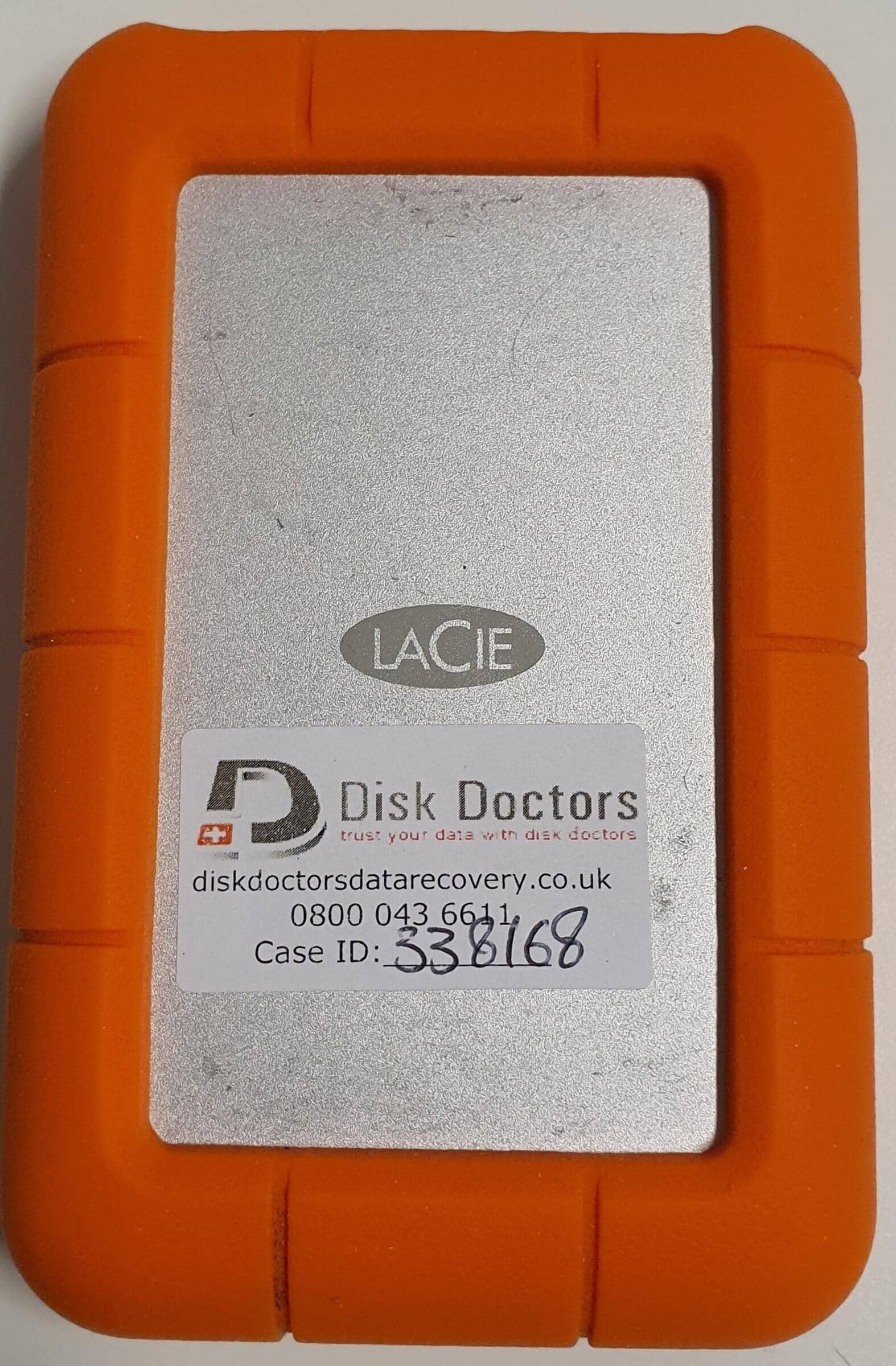
At Disk Doctors UK, we specialize in LaCie 4TB USB hard drive data recovery, offering both London‑based services and nationwide coverage. Our mission is simple: to restore your data securely, professionally, and with the highest success rates.
Why LaCie 4TB USB Hard Drives Fail
LaCie drives often use Seagate internals, which are powerful but prone to certain technical failures. Understanding these causes helps explain why recovery is necessary:
- Firmware Corruption – The drive’s internal software becomes damaged, preventing communication with your computer.
- Read Errors – Files take longer to open, or the drive fails to read certain sectors.
- Bad Sectors – Physical damage to the platter or logical corruption makes parts of the drive inaccessible.
- Mechanical Wear – Over time, moving parts inside the Seagate mechanism degrade.
- Power Surges or Drops – Sudden electrical issues can corrupt firmware or damage sectors.
- Improper Ejection – Disconnecting the drive without safely ejecting can lead to logical corruption.
These problems can strike suddenly, leaving users worried about permanent data loss.
Common Symptoms of LaCie Drive Failure
If you notice any of the following, your LaCie 4TB USB hard drive may be at risk:
- Drive not recognised by your computer
- Clicking or grinding noises from the drive
- Extremely slow file transfers
- Frequent system freezes when the drive is connected
- Missing or corrupted files
- Error messages such as “Drive not accessible” or “CRC error”
Recognising these symptoms early increases the chances of successful recovery.
Our LaCie 4TB USB Hard Drive Data Recovery Process
At Disk Doctors UK, we use advanced techniques to recover data from even the most complex LaCie failures. Our process is designed to maximise recovery while ensuring complete confidentiality:
Initial Diagnosis
- We examine the drive to identify firmware corruption, bad sectors, or mechanical issues.
- A transparent report is shared with the client, outlining recovery options.
Firmware Repair
- Specialised tools are used to repair or bypass corrupted firmware.
- This restores communication between the drive and recovery systems.
Sector‑by‑Sector Imaging
- We create a full image of the drive, bypassing bad sectors where possible.
- This ensures maximum data retrieval without further stressing the failing drive.
Seagate‑Specific Techniques
- Since LaCie drives often use Seagate internals, we apply proprietary methods tailored to Seagate firmware and architecture.
Data Extraction & Verification
- Recovered files are carefully verified for integrity.
- Clients receive their data securely, in compliance with UK data protection laws.
Case Study: LaCie 4TB USB Hard Drive data recovery with Firmware Corruption
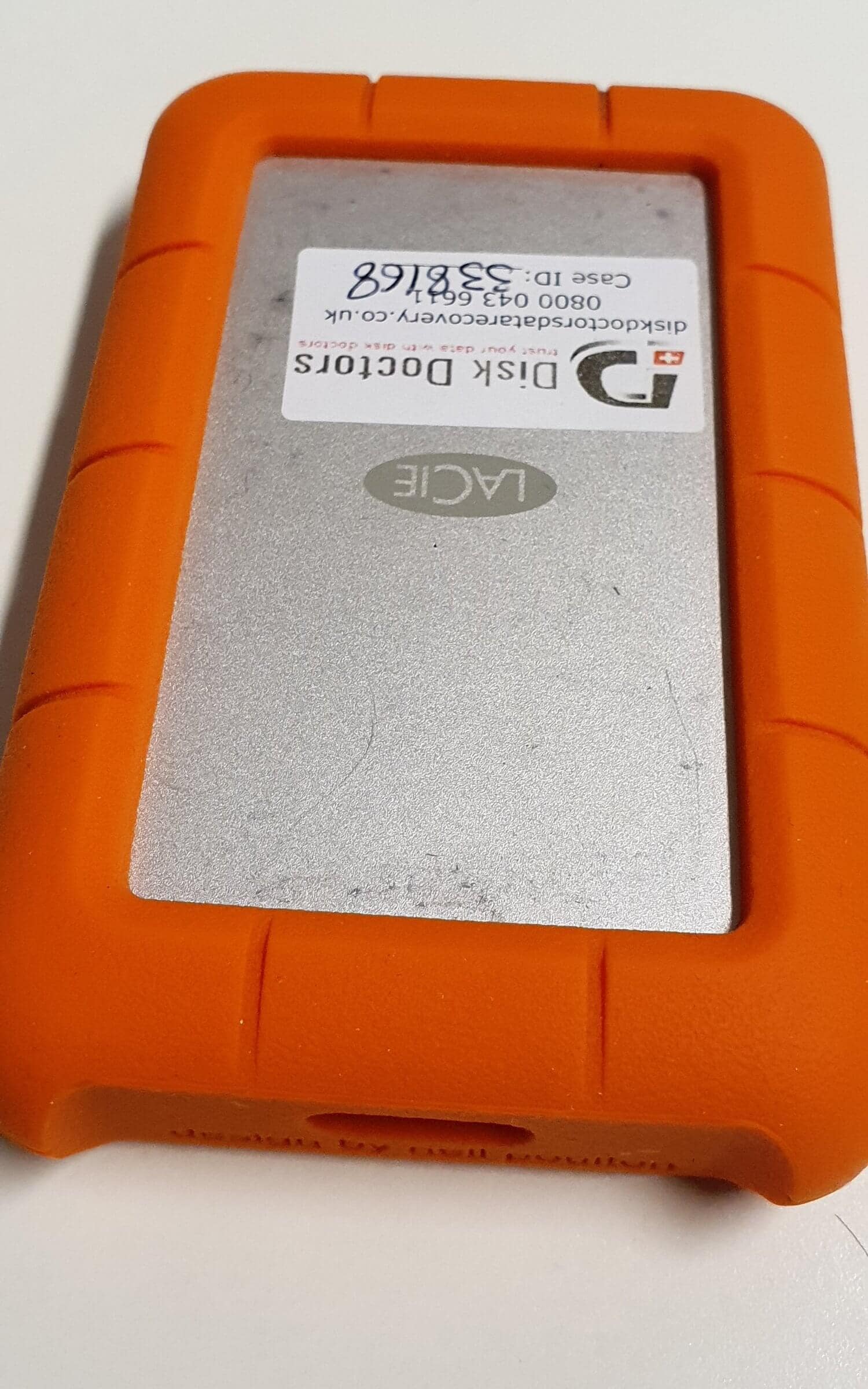
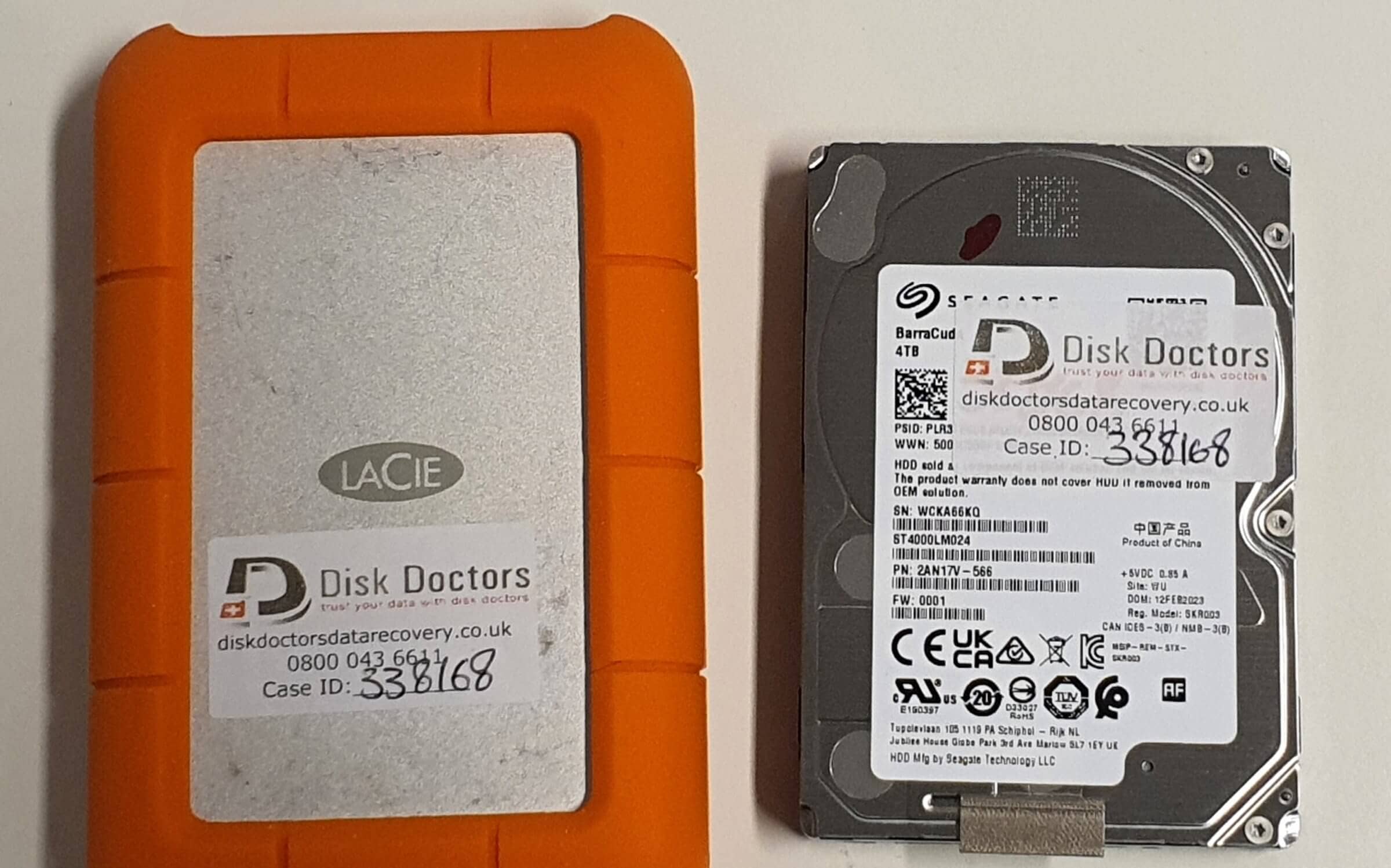
A London‑based design agency contacted Disk Doctors UK after their LaCie 4TB USB hard drive suddenly stopped responding. The drive contained months of video projects, client presentations, and design assets — all stored on a single device with no backup. The urgency was high: without recovery, the agency risked missing deadlines and losing client trust.
The Problem
The LaCie drive, built with an internal Seagate mechanism, had developed firmware corruption. This meant the computer could no longer communicate with the drive, even though the hardware itself was intact. To make matters worse, diagnostic checks revealed multiple bad sectors across the platters. These bad sectors were preventing the drive from reading critical portions of data, including project files.
The symptoms included:
- The drive not appearing in Windows Explorer or macOS Finder
- Clicking sounds when attempting to access files
- System freezes whenever the drive was connected
- Error messages such as “Drive not accessible” and “CRC error”
The agency had already tried basic troubleshooting — swapping cables, testing on different computers, and using free recovery software — but nothing worked. In fact, repeated attempts risked worsening the corruption.
The Recovery Approach
Our engineers followed a structured recovery process:
- Firmware Repair
- Using specialised tools such as PC3000, we repaired the corrupted firmware modules.
- This restored basic communication between the drive and our recovery systems.
- Sector‑by‑Sector Imaging
- Because of the bad sectors, we avoided direct file access. Instead, we created a full image of the drive.
- Advanced imaging tools allowed us to bypass unreadable sectors and capture as much data as possible.
- Data Reconstruction
- Once the image was complete, we reconstructed file structures, ensuring that video projects and design assets were restored in usable form.
- Corrupted files were repaired using proprietary recovery utilities.
- Verification & Delivery
- Every recovered file was checked for integrity.
- The agency received their data securely, with clear documentation of what was recovered.
The Outcome
LaCie 4TB USB hard drive data recovery was successful.
We successfully recovered over 95% of the data, including all critical video projects and design files. The agency was able to meet its client deadlines without disruption.
The client’s feedback highlighted three key benefits:
- Speed: Recovery was completed within three business days.
- Transparency: Clear communication at every stage reassured them.
- Reliability: The recovered files were delivered securely, with no compromise to confidentiality.
Lessons Learned
This case underscores several important points for LaCie users:
- Firmware corruption is recoverable with professional tools, but DIY attempts often worsen the issue.
- Bad sectors don’t mean permanent loss — with imaging techniques, most data can be salvaged.
- Backups are essential — even reliable brands like LaCie can fail unexpectedly.
Why Choose Disk Doctors UK for LaCie Recovery
When your LaCie 4TB USB hard drive fails, choosing the right recovery partner makes all the difference. Here’s why clients across London and nationwide trust our london data recovery service:
- Local Data Recovery Expertise in London – Convenient access for businesses and individuals in the capital.
- Nationwide Coverage – Secure courier options ensure clients across the UK benefit from our services.
- 20+ Years of Experience – Proven success in recovering data from LaCie, Seagate, and other leading brands.
- High Success Rates – Specialized techniques for firmware corruption and bad sectors deliver results.
- Client‑Friendly Communication – Clear updates at every stage, with no technical jargon.
- Confidentiality Guaranteed – Strict compliance with UK data protection standards.
Preventing Future LaCie Drive Failures
While recovery is possible, prevention is always better. Here are some tips to reduce the risk of future failures:
- Regular Backups – Always maintain at least one backup copy of important files.
- Stable Power Supply – Use surge protectors to avoid electrical damage.
- Safe Handling – Avoid dropping or exposing the drive to extreme temperatures.
- Routine Health Checks – Monitor drive performance and run diagnostic tools periodically.
- Professional Help Early – If you notice read errors or slow performance, seek recovery before the drive worsens.
Conclusion
Your LaCie 4TB USB hard drive is more than just a storage device — it holds valuable data that can’t be replaced. Whether you’re facing firmware corruption, read errors, or bad sectors, Disk Doctors UK provides expert solutions tailored to LaCie’s Seagate‑based architecture.
With London‑based expertise and nationwide coverage, we ensure your files are recovered securely, professionally, and with the highest success rates. Don’t risk permanent loss — trust the specialists in LaCie 4TB USB hard drive data recovery to bring your data back.
Contact Us – Disk Doctors UK
- Submit a case online (top right corner)
- Call: 02030869512
- Visit London Office: 76 Watling Street, London, EC4M 9BJ
- Chat: use our chat app on the website.
- Nationwide Coverage: We offer secure courier options for clients across the UK.
Frequently Asked Questions
Can LaCie drives be recovered after firmware corruption?
Yes. With specialized firmware repair tools, most corrupted LaCie drives can be restored for data recovery.
What if my LaCie 4TB USB hard drive has bad sectors?
We use sector‑by‑sector imaging to bypass bad sectors and recover as much data as possible.
Is recovery possible if the drive makes clicking noises?
Clicking often indicates mechanical failure. Recovery is still possible, but requires cleanroom intervention.
Do you offer services outside London?
Absolutely. We provide nationwide coverage, with secure courier options for clients across the UK.
How long does recovery take?
Timeframes vary depending on the severity of damage, but most cases are completed within a few days.
Can I attempt DIY recovery?
We strongly advise against it. DIY tools often worsen firmware corruption or damage sectors further